


Magnesium in Spain: a guide to the types, labels and doses you will find
Bisglicinato, citrato, óxido: how to choose magnesium in a Spanish pharmacy, read the label and get the dose right.
In short. Magnesium is one of the most popular supplements in Spain and you will find it in every pharmacy, parapharmacy and supermarket. The labels use names like bisglicinato, citrato or óxido de magnesio. What matters is the form, the amount of elemental magnesium per daily dose and how you tolerate it. Magnesium contributes to the reduction of tiredness and fatigue, to normal muscle function and to the normal functioning of the nervous system.
Walk into any Spanish pharmacy and you will see a whole shelf of magnesium: tablets, capsules, powders and sachets, often combined with other ingredients. If you are used to the brands and labels of your home country, choosing can be confusing. This guide explains the forms you will see in Spain, how to read the dose and what to keep in mind.
What magnesium does
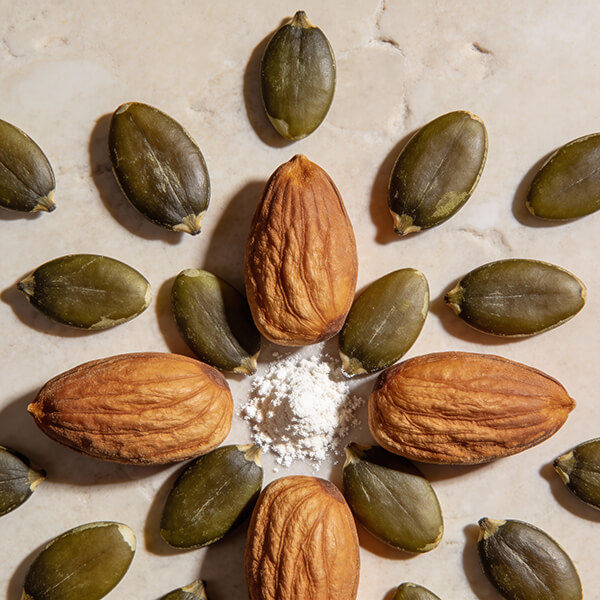
Magnesium is a mineral involved in hundreds of processes in the body. The EU recognises that it contributes to the reduction of tiredness and fatigue, to electrolyte balance, to normal energy-yielding metabolism, to the normal functioning of the nervous system, to normal muscle function and to normal psychological function. Good food sources include pumpkin seeds, almonds, cocoa, pulses, wholegrains and green leafy vegetables.
Magnesium forms you will see on Spanish labels
- Bisglicinato de magnesio (magnesium bisglycinate): bound to the amino acid glycine. Usually well tolerated by the stomach, a popular choice for evening routines.
- Citrato de magnesio (magnesium citrate): well absorbed and common in powders and effervescent sachets. At higher doses it can loosen stools.
- Óxido de magnesio (magnesium oxide): provides a lot of magnesium per gram, so tablets are small and cheap, but it is less well absorbed and more likely to have a laxative effect.
- Carbonato, lactato, pidolato o cloruro: other forms you may see. Cloruro de magnesio is a traditional Spanish product, often sold as a powder in supermarkets and herbolarios; it has a strong bitter taste.
How to read the dose
Labels in Spain must show the amount per daily dose (por dosis diaria) and the percentage of the nutrient reference value (% VRN). The reference value for magnesium is 375 mg a day. Be careful: “500 mg of magnesium citrate” is not 500 mg of magnesium. The label should state the elemental magnesium, which is the figure to compare between products. The EU sets a tolerable upper level of 250 mg a day of magnesium from supplements, because higher amounts can cause digestive discomfort.
When to take it
There is no single best time for everyone. Many people take it in the evening as part of their wind-down routine, or with a meal to improve tolerance. Consistency matters more than the exact time. If you take other supplements or medicines, ask your pharmacist about spacing them: magnesium can reduce the absorption of some antibiotics and other drugs.
Magnesium and sleep
Magnesium is often marketed for sleep. Some studies suggest a modest effect, but the evidence is limited and it is not a treatment for insomnia. What we can say is that it contributes to the normal functioning of the nervous system and to normal psychological function. If you sleep badly since moving to Spain, start with our guide on sleeping better after moving to Spain.
In LONJEBA Sleep Well we use 420 mg of magnesium bisglycinate together with L-tryptophan, GABA, valerian, California poppy and vitamin B6, with no added melatonin. In Sport & Power magnesium citrate supports normal muscle function alongside creatine. If you combine products, add up the magnesium from all of them.
Who should be careful
People with kidney disease should not take magnesium supplements without medical advice. If you take medication, are pregnant or breastfeeding, or have a chronic condition, ask your doctor or pharmacist first.
Frequently asked questions
Which type of magnesium is best?
There is no single best form for everyone. Bisglycinate and citrate are usually well tolerated and well absorbed; oxide provides more magnesium per tablet but is absorbed less well.
Can I buy magnesium without a prescription in Spain?
Yes. Magnesium food supplements are sold freely in pharmacies, parapharmacies, supermarkets, health food shops and online.
What does “% VRN” mean on a Spanish label?
It is the percentage of the nutrient reference value (NRV), the same as %NRV on English labels. For magnesium, 100% equals 375 mg.
Is magnesium chloride the same as other magnesium supplements?
It provides magnesium too, but it is usually sold as a powder to dissolve, tastes very bitter and doses are less precise than in capsules or tablets.
Can I take magnesium every day?
Yes, within the recommended dose on the label and adding up all products that contain it. People with kidney problems should ask a doctor first.
Sources
- European Commission, EU Register of nutrition and health claims (magnesium). ec.europa.eu
- Regulation (EU) No 1169/2011, Annex XIII: nutrient reference values. EUR-Lex
- EFSA, Tolerable upper intake levels for vitamins and minerals (magnesium). efsa.europa.eu
- Arab A et al. The role of magnesium in sleep health: a systematic review. Biol Trace Elem Res, 2023. PubMed