


Creatine in Spain: a practical guide to monohydrate, doses and labels
The most studied supplement explained: how creatine works, the 3 g daily dose, monohydrate versus other forms and where to buy it in Spain.
In short. Creatine is one of the most studied supplements in the world. Creatine increases physical performance in successive bursts of short-term, high intensity exercise (an effect obtained with a daily intake of 3 g). Monohydrate is the form with the most evidence. It works by building up in the muscle, so consistency matters more than timing. Beyond sport, research is looking at its role in muscle and the brain with age. In Spain it is easy to find in pharmacies, sports shops and online; check that the label states creatine monohydrate and the grams per daily dose.
What creatine is and how it works
Creatine is a compound the body makes from amino acids and also gets from meat and fish. Most of it is stored in muscle as phosphocreatine, a quick energy reserve used to regenerate ATP during short, intense efforts such as lifting weights, sprinting or jumping. Supplementing increases these stores, which is why it helps in repeated high-intensity efforts.
Which type to choose
Creatine monohydrate is the form used in the vast majority of studies and the one with the strongest evidence for effectiveness and safety. Other forms (hydrochloride, ethyl ester, buffered creatine) are often more expensive and have not shown clear advantages. Micronised monohydrate dissolves more easily in water.
How to take it
- 3 to 5 g a day is the usual maintenance dose. The authorised EU claim is based on 3 g a day.
- Every day, including rest days: what matters is keeping muscle stores full.
- A loading phase is optional. Higher doses for a few days fill the stores faster, but a daily dose reaches the same point in about three to four weeks.
- With water or food, at the time that suits you. Many people take it after training.
- Drink enough water, especially in the Spanish summer.
Beyond the gym
Creatine is increasingly studied in older adults, combined with strength training, for muscle mass and function, and in relation to brain energy metabolism. The results are interesting but still being researched, so they should not be presented as proven benefits.
Safety
At usual doses, creatine monohydrate has a good safety record in healthy adults. Some people notice slight water retention in the muscle (a small weight increase) or stomach discomfort with large doses. Creatine can raise creatinine in blood tests without meaning kidney damage; tell your doctor you take it. People with kidney disease should not take it without medical advice.
If you live in Spain
You will find creatine in pharmacies, parapharmacies, sports shops, supermarkets and online. On Spanish labels look for creatina monohidrato and the grams per daily dose (por dosis diaria). The EU claim may appear in Spanish as “la creatina aumenta el rendimiento físico en series sucesivas de ejercicios de corta duración y alta intensidad“. With Spain’s hot summers, remember to drink more water if you train outdoors.
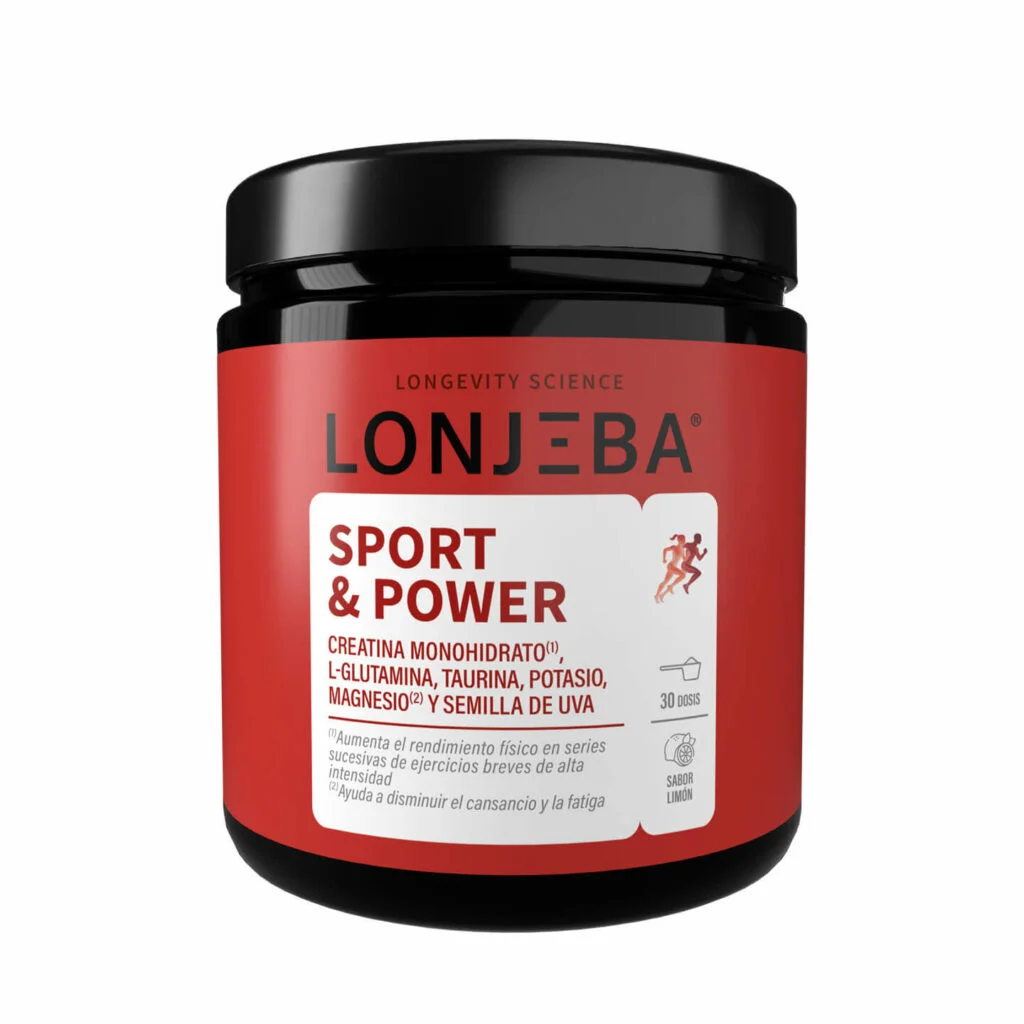
LONJEBA Sport & Power provides 3,000 mg of creatine monohydrate per daily dose, with L-glutamine, taurine, grape seed extract, potassium and magnesium. Magnesium contributes to normal muscle function and to the reduction of tiredness and fatigue.
Frequently asked questions
Should I take creatine on rest days?
Yes. Creatine works by building up in the muscle, so daily intake keeps stores full whether or not you train that day.
Does creatine make you gain weight?
It can cause a small weight increase in the first weeks because muscles store more water. It is not fat gain.
Is creatine only for athletes?
No. Its authorised claim is about high-intensity exercise, but many active adults use it as part of strength training, and research in older adults is growing.
Do I need a loading phase?
No. A daily dose of 3 to 5 g fills muscle stores in a few weeks. Loading only gets you there faster.
Sources
- European Commission, EU Register of nutrition and health claims (creatine, magnesium). ec.europa.eu
- Kreider RB et al. International Society of Sports Nutrition position stand: safety and efficacy of creatine supplementation. J Int Soc Sports Nutr, 2017. PubMed
- Candow DG et al. Creatine supplementation and aging musculoskeletal health. Endocrine, 2014. PubMed
- EFSA, Scientific opinion on creatine and physical performance, 2011. efsa.europa.eu