


Berberine in Spain: what it is, what the evidence says and precautions
Berberine and blood sugar: what clinical trials show, why it is not 'nature's Ozempic', who should avoid it and how to read Spanish labels.
In short. Berberine is a yellow compound found in plants such as barberry (Berberis). It is one of the most studied plant compounds in relation to blood sugar, blood lipids and metabolism, with interesting results in clinical trials, many of them in people with type 2 diabetes. It does not replace diet, exercise or any treatment. It often causes digestive discomfort at first, it interacts with several medicines and it is not suitable during pregnancy or breastfeeding. In Spain you can find it in pharmacies, parapharmacies and online, alone or combined with other ingredients.
What berberine is
Berberine is an alkaloid present in the roots and bark of several plants, including barberry, goldenseal and Chinese goldthread. It has been used for centuries in traditional Chinese and Ayurvedic medicine. Today it is sold as a food supplement, usually as berberine hydrochloride, in doses of around 500 mg per capsule.
What the research says
Most clinical trials have been carried out in China, often in adults with type 2 diabetes, high cholesterol or metabolic syndrome, usually with 1 to 1.5 g per day split into two or three doses. Meta-analyses describe favourable changes in fasting glucose, HbA1c and blood lipids compared with placebo or lifestyle changes alone. However, many studies are small, short and of variable quality, so the evidence is considered promising rather than conclusive. Berberine is not a treatment for diabetes or high cholesterol, and there are no authorised EU health claims for berberine itself.
You may have seen berberine called “nature’s Ozempic” on social media. That comparison is not supported by the evidence: they are different substances with different mechanisms, and berberine’s effects in studies are much more modest.
How to take it
- Follow the dose on the label. Studies usually split the daily amount into two or three doses.
- Take it with meals: it is better tolerated and fits the way it was used in most trials.
- Start gradually if you have a sensitive stomach.
- Be consistent: studies assess results after several weeks.
Precautions
The most common side effects are digestive: constipation, diarrhoea, wind or stomach discomfort. Do not take berberine if you are pregnant or breastfeeding, and do not give it to children. Berberine can interact with many medicines, because it affects the liver enzymes that process them. Ask your doctor or pharmacist first if you take medication for diabetes (there is a risk of low blood sugar), blood pressure, cholesterol, blood thinners, immunosuppressants such as ciclosporin, or any other regular treatment.
If you live in Spain
Berberine is easy to find in Spanish pharmacies, parapharmacies and online. On Spanish labels look for berberina or clorhidrato de berberina, the plant source (Berberis aristata is common) and the amount per daily dose (por dosis diaria). If late Spanish dinners are affecting how you feel, our guide to late dinners in Spain and blood sugar explains what helps.
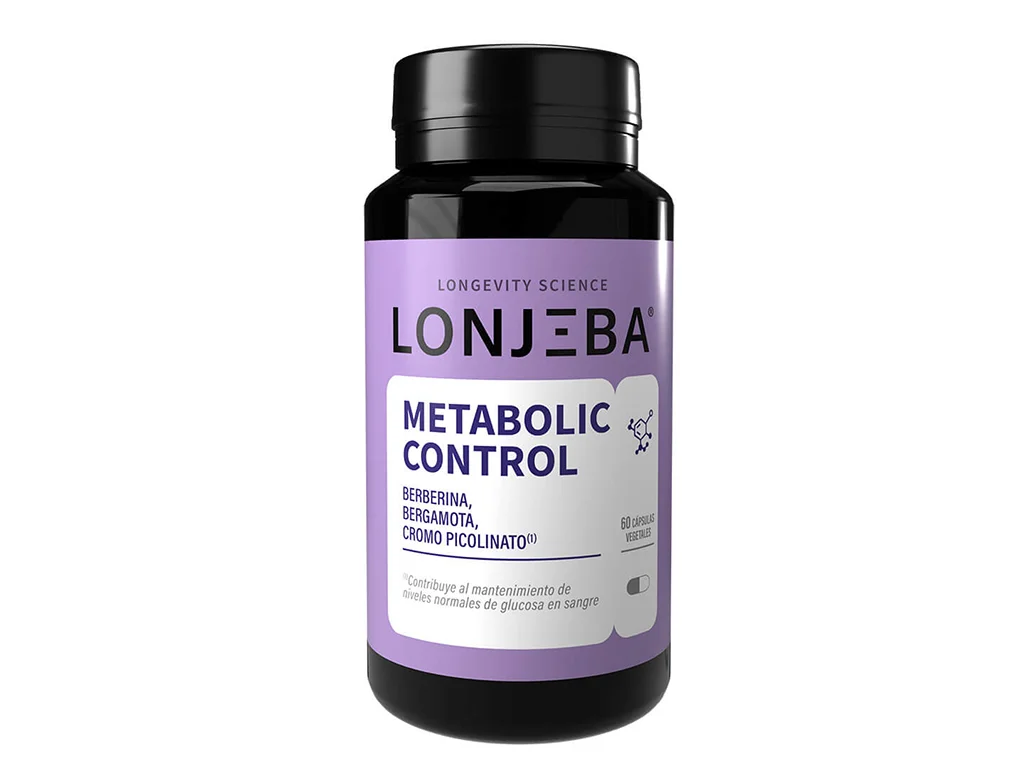
LONJEBA Metabolic Control combines 500 mg of berberine with chromium and bergamot. Chromium contributes to the maintenance of normal blood glucose levels and to normal macronutrient metabolism.
Frequently asked questions
Does berberine help you lose weight?
Some studies report small changes in weight or waist size, but the effect is modest and inconsistent. It is not a weight-loss product; diet, activity and sleep matter far more.
When is the best time to take berberine?
With meals, following the label. Many studies split the daily amount between two or three main meals.
Can I take berberine with metformin?
Only with your doctor’s approval. Combining them may increase the risk of low blood sugar and digestive side effects.
Can I take it every day?
Healthy adults can follow the daily dose on the label. For long-term use, or if you have a health condition or take medication, ask a health professional first.
Sources
- Dong H et al. Berberine in the treatment of type 2 diabetes mellitus: a systemic review and meta-analysis. Evidence-Based Complementary and Alternative Medicine, 2012.
- Lan J et al. Meta-analysis of the effect and safety of berberine in the treatment of type 2 diabetes mellitus, hyperlipemia and hypertension. Journal of Ethnopharmacology, 2015.
- Imenshahidi M, Hosseinzadeh H. Berberis vulgaris and berberine: an update review. Phytotherapy Research, 2016.
- EU Register of nutrition and health claims (chromium).